
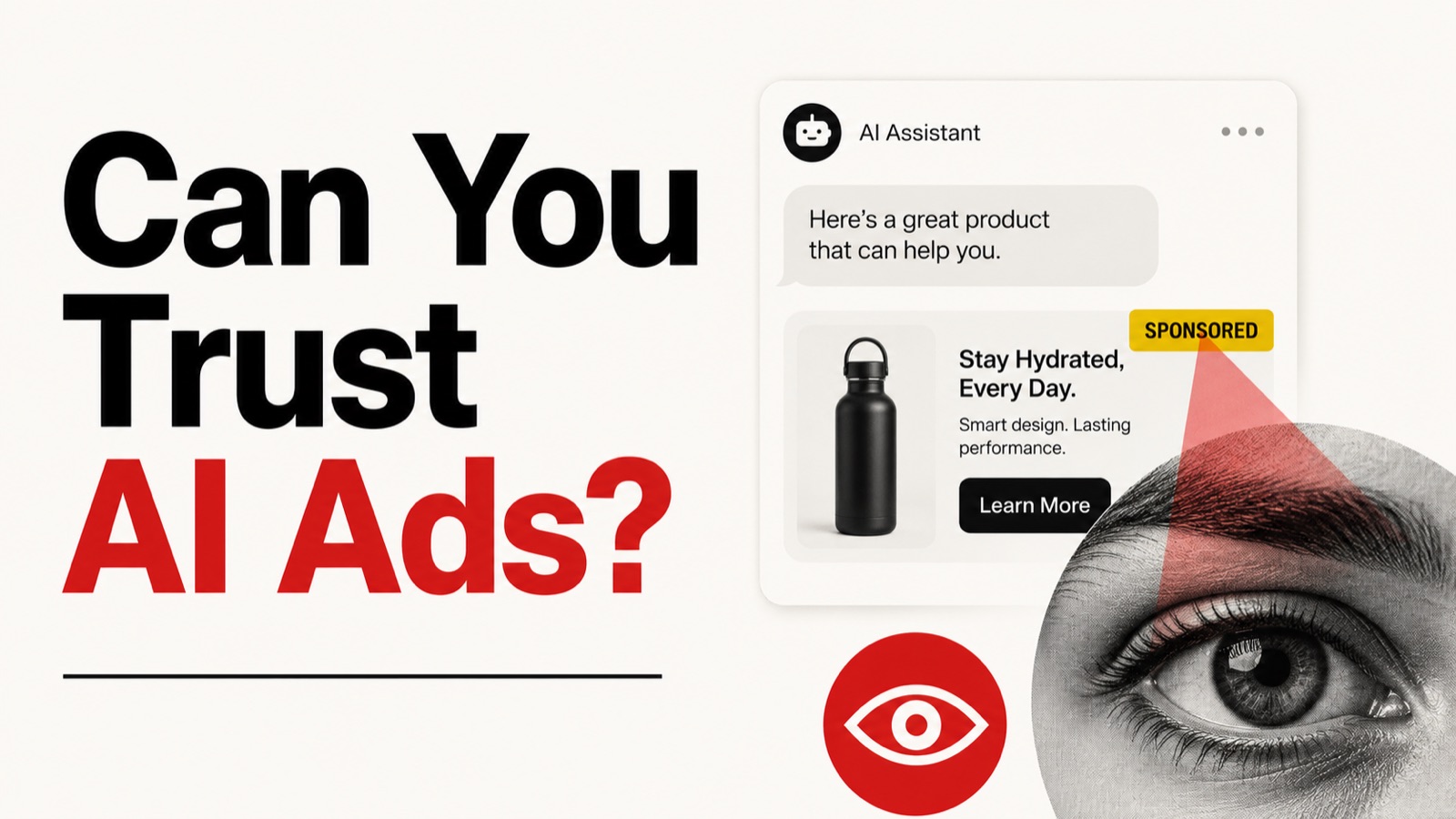
ChatGPT ads are moving from experiment to a broader advertising channel. OpenAI says ads are separate from ChatGPT's answers and do not influence those answers, which makes the trust question less about hidden pay to play and more about whether users can clearly understand the boundary between advice and sponsorship.
For marketers, the opportunity is significant because people use conversational AI while comparing options and making decisions. The risk is equally important: if advertising feels too close to an assistant's recommendation, the commercial value of the placement depends on preserving the credibility of the surrounding experience.
Where are ChatGPT ads appearing?
OpenAI said in August 2026 that ChatGPT Ads was expanding across 31 European markets after earlier testing and launches elsewhere. The company says ads are shown to eligible Free and Go users, while paid plans such as Plus, Pro, and Business remain ad free.
OpenAI's announcement about the European expansion positions the channel around moments when users are researching, comparing, and deciding. That makes the format commercially interesting because intent can be expressed through a conversation rather than a short keyword.
The most important distinction is placement. OpenAI says ads appear separately from the assistant's answer and are clearly labeled, rather than changing the content of the answer itself.
Why is advertising inside an AI assistant different?
Search advertising grew around a familiar contract. Users expect sponsored results near organic results, and advertisers bid around queries and audiences. A conversational assistant feels more personal because the user may disclose constraints, preferences, context, and goals across multiple turns.
That richer context can make advertising more relevant. It can also make commercial influence feel more sensitive.
A user asking "Which accounting platform fits my five person consultancy?" may interpret the assistant's answer as advice. If a sponsored placement appears nearby, the interface has to make the difference unmistakable. Trust becomes part of the product design, not just a compliance label.
Do ads influence ChatGPT recommendations?
OpenAI says they do not influence the assistant's answers. Marketers should take that distinction seriously rather than describing ChatGPT as a paid recommendation engine.
That means two routes to visibility can coexist:
- Earned visibility when ChatGPT chooses to mention or cite a brand in an answer.
- Paid visibility through a clearly labeled advertising placement.
Those routes should be measured separately. A company buying ads should not assume it is improving organic AI recommendations, and a company earning recommendations should not assume it has a paid media advantage.
This is similar to the distinction marketers already make between organic search and paid search, but conversational context makes the user experience feel more connected.
What does this mean for brand strategy?
Brands will need to decide where paid AI fits beside SEO, GEO, content, and conventional media. The right question is not whether ChatGPT ads replace Google Ads or social advertising. It is whether the channel reaches useful decision moments that other platforms miss.
For complex products, the appeal is obvious. Buyers often need to explain requirements before they are ready to click an ad. An AI conversation can contain more intent context than a conventional search query.
At the same time, paid reach cannot substitute for being a credible answer source. Brands still need content, evidence, third party validation, clear positioning, and useful product information if they want to appear naturally in AI mediated research.
Mustard Seed helps companies connect paid and organic discovery through broader marketing advisory, rather than treating a new ad format as a complete strategy.
How should marketers test ChatGPT ads?
Treat the channel as a new environment and establish a baseline before drawing conclusions. Start with a narrow commercial hypothesis, a clear audience problem, and a conversion path that can be measured outside the platform.
Track the same commercial outcomes you would demand from other channels: qualified visits, leads, pipeline contribution, customer acquisition cost, and conversion quality. Early novelty can create attention that does not necessarily translate into sustainable performance.
Also separate ad performance from AI visibility performance. If the company starts appearing more often in answers at the same time it begins advertising, do not assume one caused the other without evidence.